
Remember when we thought flying cars were just a sci-fi fantasy? Well, hold on to your helmets because space age technology has not only given us those dreams but also reshaped our everyday lives in ways we never imagined. From sleek rockets blasting off into the cosmos to tiny gadgets that fit in our pockets, this tech revolution has made us wonder: what’s next? Join us as we jump into the fascinating history and incredible innovations stemming from the space age that continue to impact our world.
The History of Space Age Technology
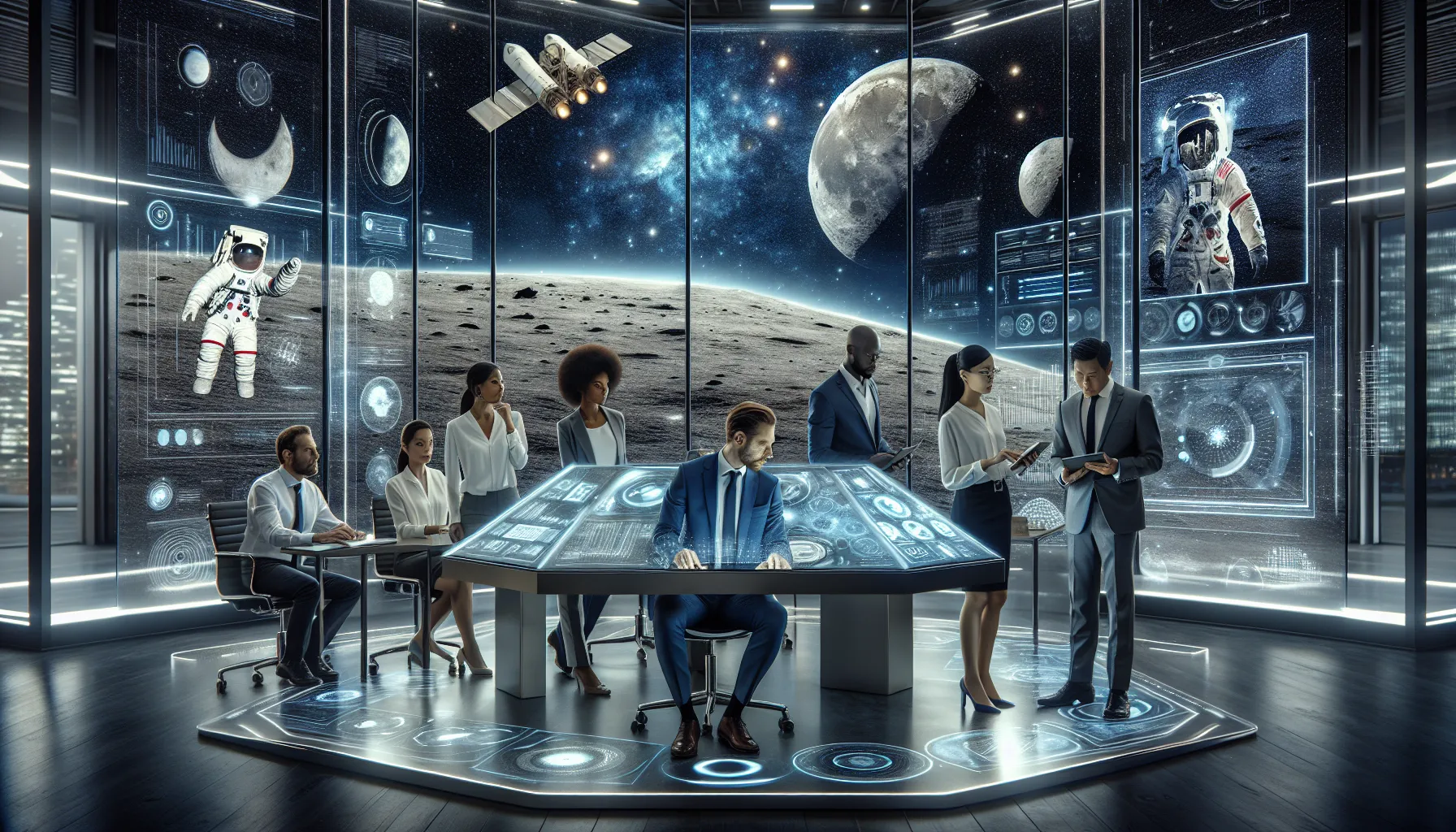
It all kicked off in the late 1950s when the Soviet Union launched Sputnik, the first artificial satellite, marking the dawn of the space age. We were all glued to the television sets, marveling at the beeping signals from above. After that came NASA’s Apollo program, taking humanity to the moon, a feat that felt like it was straight out of a comic book. From the famous Apollo 11 mission in 1969 to the development of the Space Shuttle in the 1980s, our journey into the stars was paved with ingenuity and a good dose of audacity. Each mission wasn’t just about exploration: it was about pushing boundaries and embracing human curiosity on an epic scale.
Key Innovations in Space Exploration
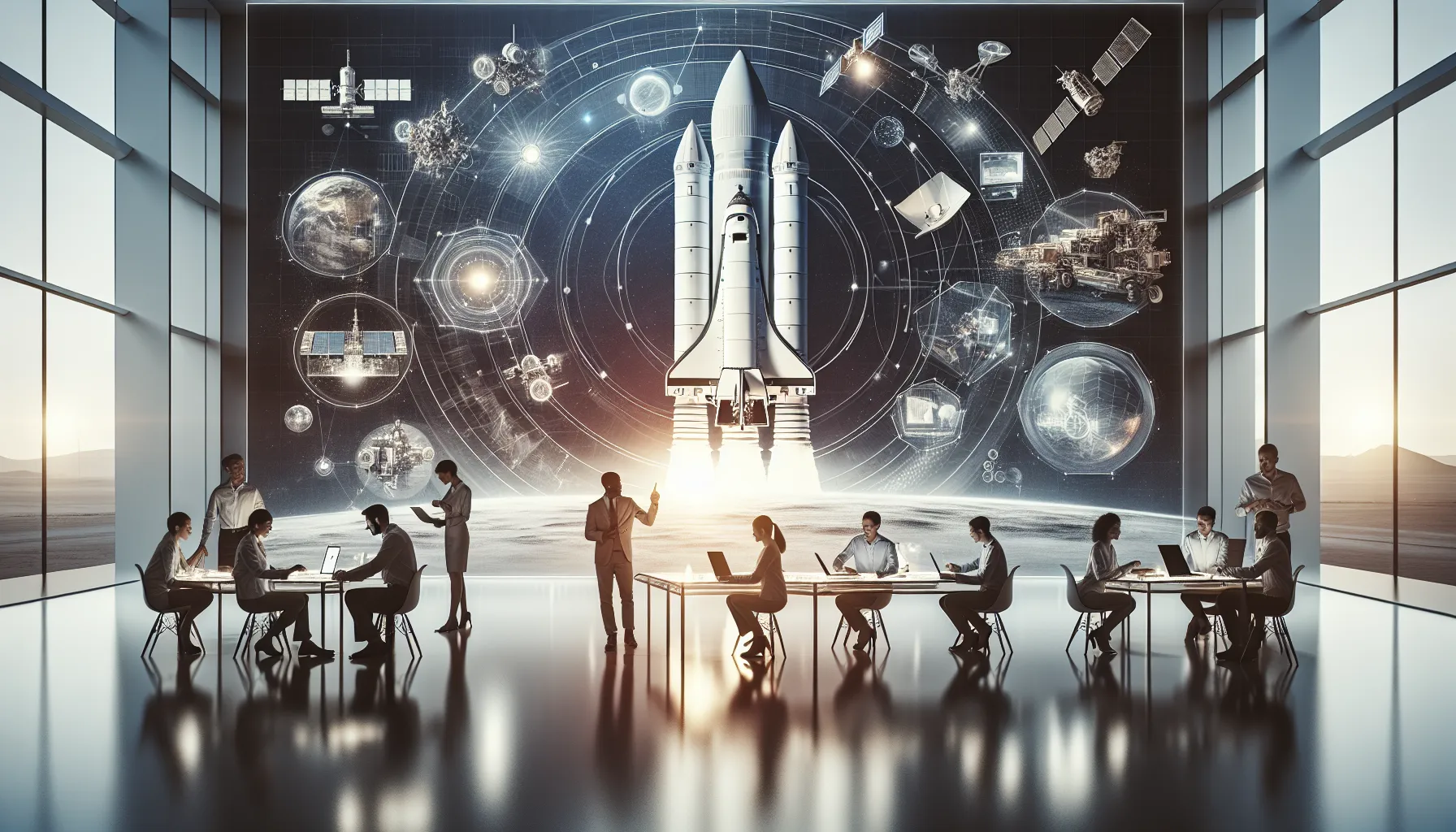
Let’s take a moment to appreciate some of the groundbreaking innovations born from space exploration. Remember those massive Saturn V rockets? They weren’t just shiny metal cylinders: they represented an era of engineering prowess. From computer technology to telecommunications, innovations like GPS and weather forecasting systems have all trickled down from space research. Let’s not forget about materials science, either. The lightweight and durable materials we rely on today, the ones that make our smartphones so sleek and our sports cars so fast, were often developed for spacecraft. Even scratch-resistant lenses have their roots in space technology. These advancements didn’t just stay in orbit: they came home with us, enriching our lives every day.
Impact of Space Age Technology on Everyday Life

Now, let’s connect the dots between space age technology and our lives. Since the 1990s, we’ve seen an explosion of tech that feels almost magical. Think about it: your morning coffee might be just a press away thanks to coffee machines inspired by space technology. The precision cooking and temperature control come straight from the lab techniques developed for astronauts. The health tracking wearables that have become our fitness companions? They owe their existence to advancements in materials and sensors initially designed for space travelers. As we navigate our daily routines, we’re essentially living with space age inventions woven into the fabric of our modern lives.
Emerging Technologies and Future Trends
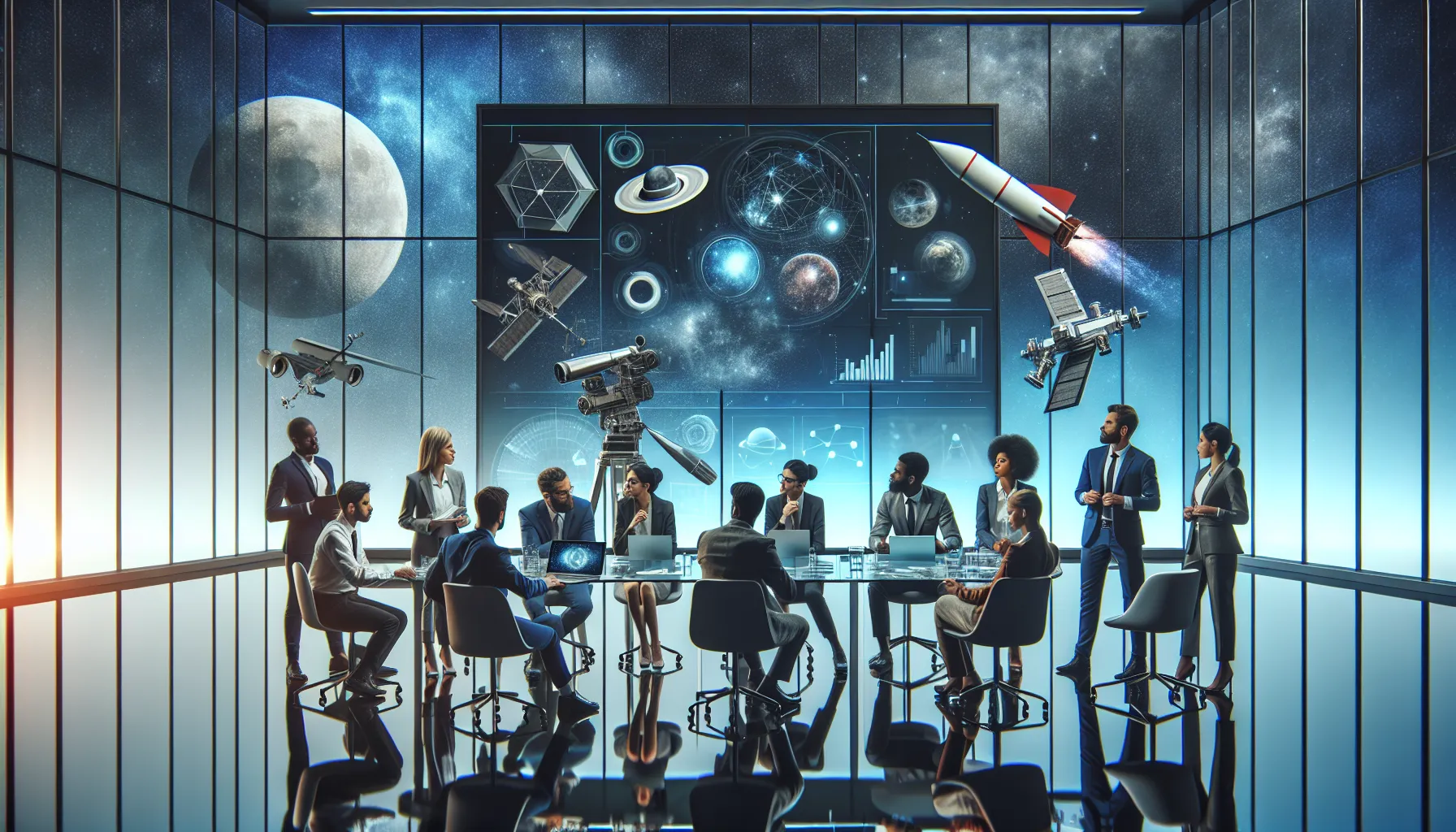
Looking ahead, we can hardly contain our excitement for what’s on the horizon. The James Webb Space Telescope promises to provide unprecedented views of the universe, giving us insights that will revolutionize our understanding of space. Meanwhile, companies like SpaceX are working on making space travel accessible for everyone, can you say vacation on Mars? Robotics and AI are also taking steps into the cosmos and back home, poised to transform industries from healthcare to manufacturing. As these technologies evolve, they’ll continuously pull us towards a future that’s as thrilling as exploring the stars.
Challenges and Ethical Considerations
But, as we zoom towards the future, we must confront some serious challenges and ethical considerations. Space debris, the remnants of past missions, is a growing concern that could affect future explorations. Also, as private companies dive deeper into space exploration, questions about ownership of celestial resources pop up. Are we ready to make responsible choices about how we venture into the universe? We need to establish regulations to ensure that our adventures don’t lead to chaos. It’s crucial that we balance our quest for knowledge with a commitment to preserving the great beyond.


