
Welcome aboard our interstellar journey. As we look up at the stars, we can’t help but wonder: What’s next for the space industry? With emerging technologies, innovative private sector investments, and a push for sustainability, the cosmos is buzzing with excitement. Join us as we explore the latest trends that are set to reshape our relationship with space. It’s an adventure that’s not just rocket science anymore: it’s for everyone.
So, strap in as we beam you up to the latest and greatest in the final frontier.
Emerging Technologies Shaping the Future
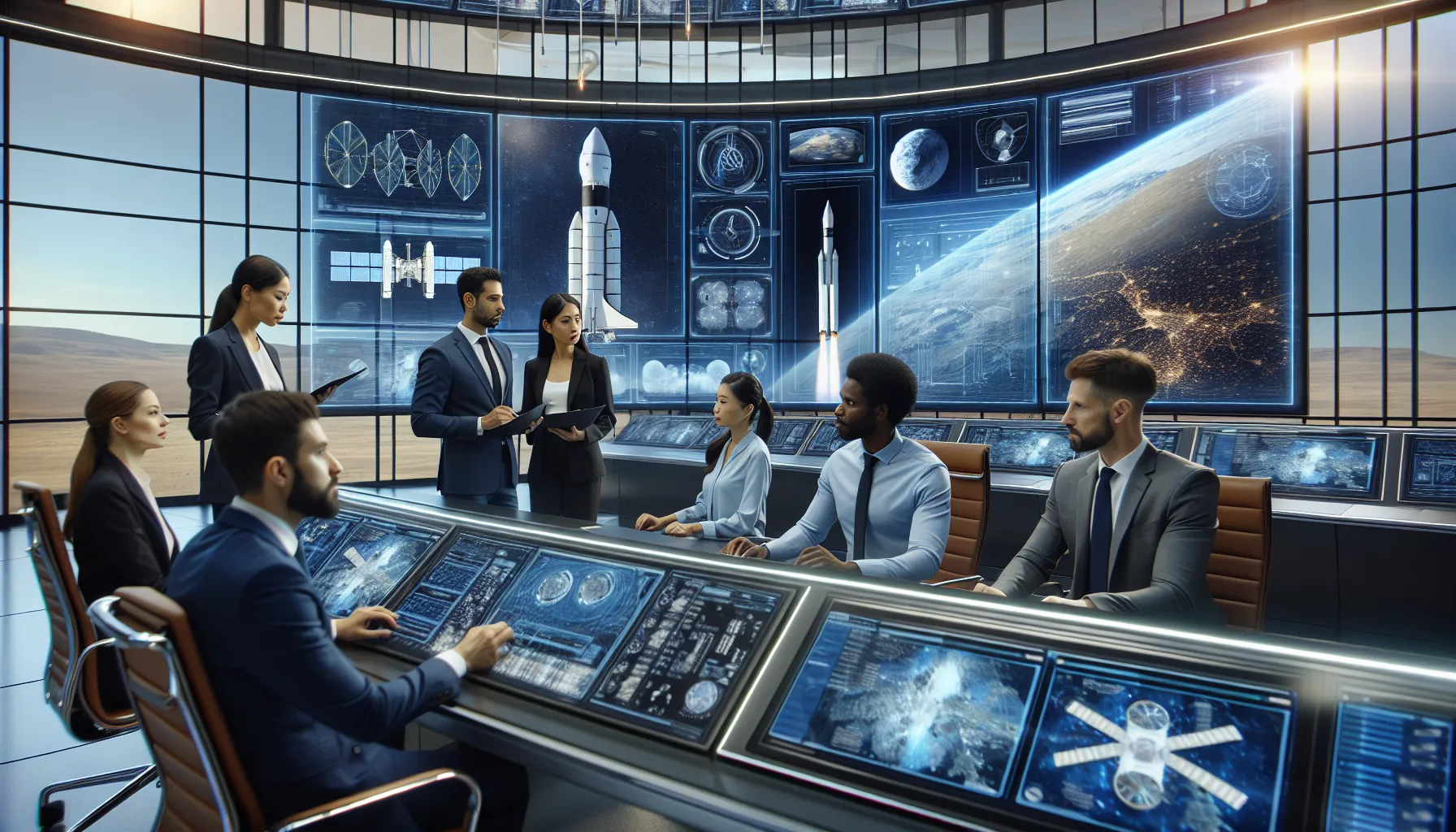
We’re witnessing a technological renaissance in the space sector. Technologies like reusable rockets, which are transforming the economics of space travel, are leading the charge. Companies like SpaceX and Blue Origin have demonstrated that returning to launch sites can significantly cut costs. Also, advancements in satellite technology are enhancing everything from GPS navigation to climate monitoring.
Let’s not forget the role of artificial intelligence. AI is helping us analyze vast amounts of data from space exploration missions quickly and efficiently. Imagine having a virtual crew member that never sleeps and works 24/7 to monitor spacecraft systems. This is the reality we’re moving towards, making space exploration safer and more effective.
Private Sector Involvement and Investment
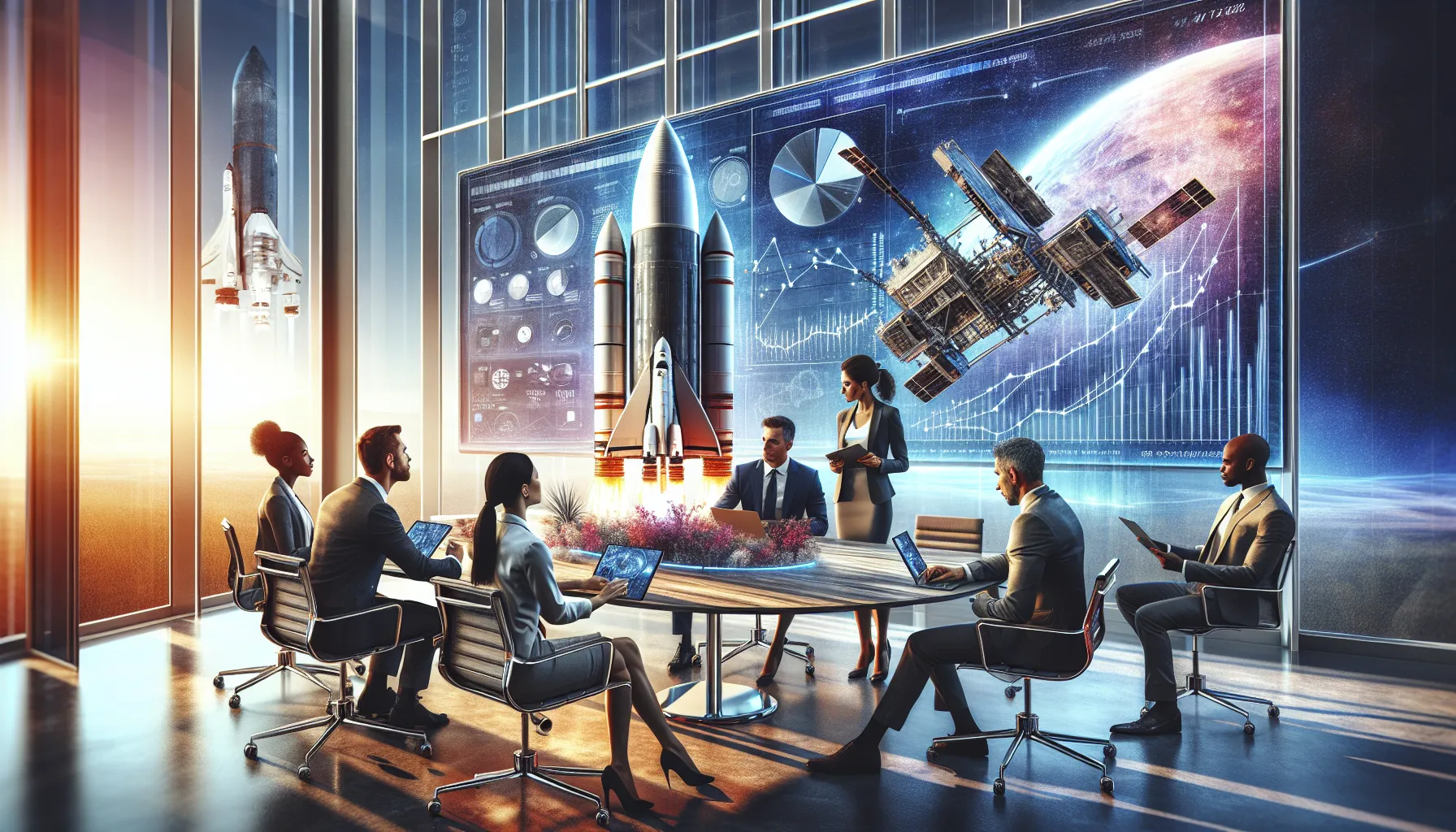
The private sector is taking a leading role in the space industry, and we can’t ignore that. Notably, companies like SpaceX, Blue Origin, and Virgin Galactic are not just dreaming: they’re building. They’re attracting investment like never before, leading to a surge in satellite launches and space tourism ventures.
With venture capitalists increasingly interested in space startups, funding is flowing freely. This trend is leveling the playing field, inviting innovators from diverse fields to contribute ideas that can propel us beyond Earth’s atmosphere. And guess what? This influx of investment is pushing down costs, allowing more players to enter the industry, which can only mean more options and opportunities for us all.
Sustainable Practices in Space Exploration
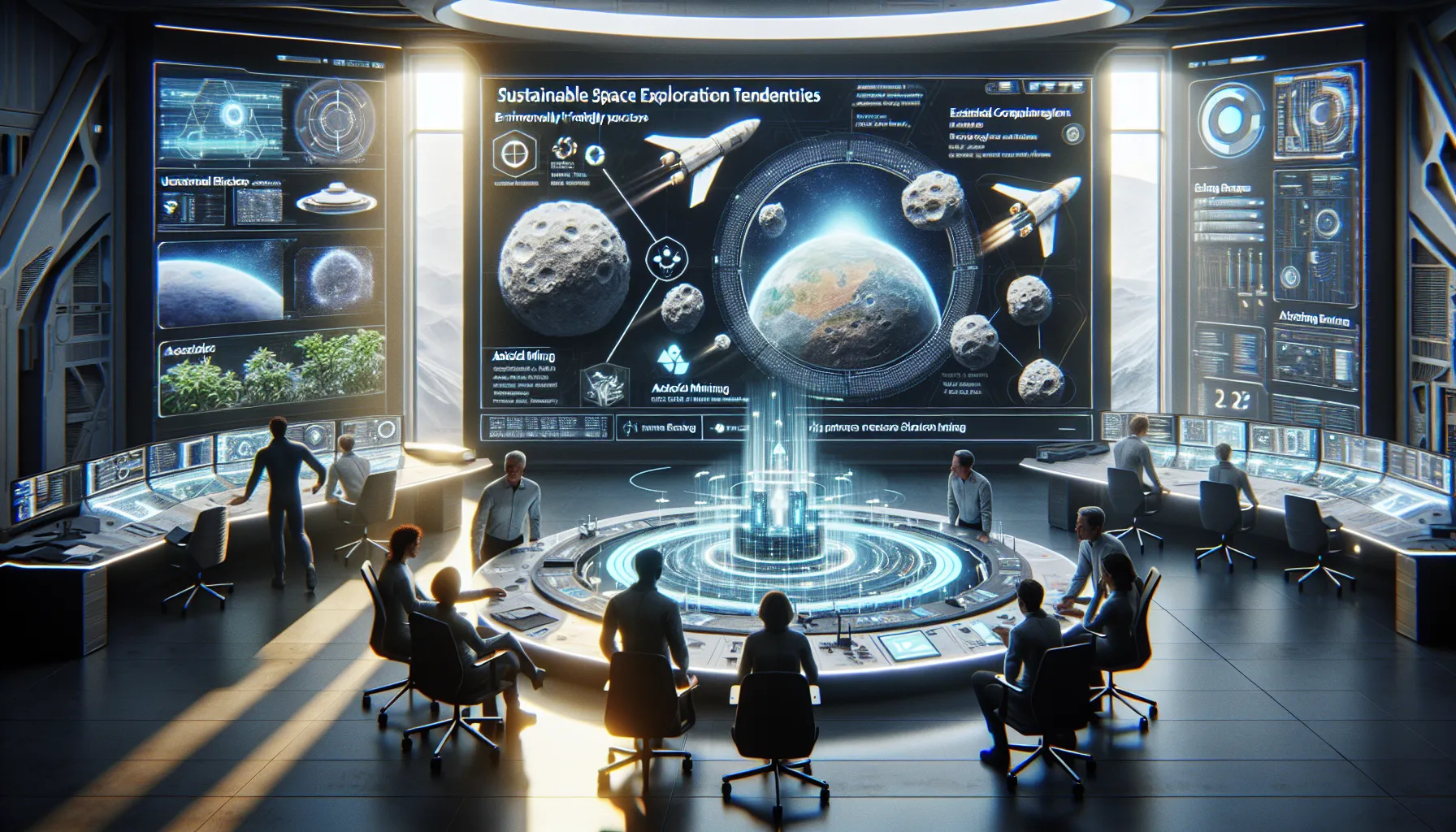
In our quest for the stars, it’s crucial that we don’t leave a mess behind, right? Sustainability is not just a buzzword: it’s now a priority in the space industry. We’re witnessing attempts to develop eco-friendly rockets and strategies to reduce space debris. For instance, some companies are exploring ways to use reusable materials for spacecraft components.
Also, discussions about mining asteroids for resources are heating up. If we can tap into those celestial bodies without damaging our own planet, we might just find that the universe is not only our playground but also a source of sustainable materials.
International Collaboration and Space Policy

The final frontier doesn’t belong to just one nation: it belongs to all of us. That’s why international collaboration is becoming more vital than ever. Organizations like NASA and ESA are working together on missions like the Artemis program, which aims to return humans to the Moon.
With the growing presence of private companies, harmonizing space policies is essential. It’s like hosting a cosmic potluck, everyone needs to bring something to the table, and we all have to share the dishes fairly. Effective regulations will ensure safety and equitable access to space for all countries.
Future Projections for the Space Economy
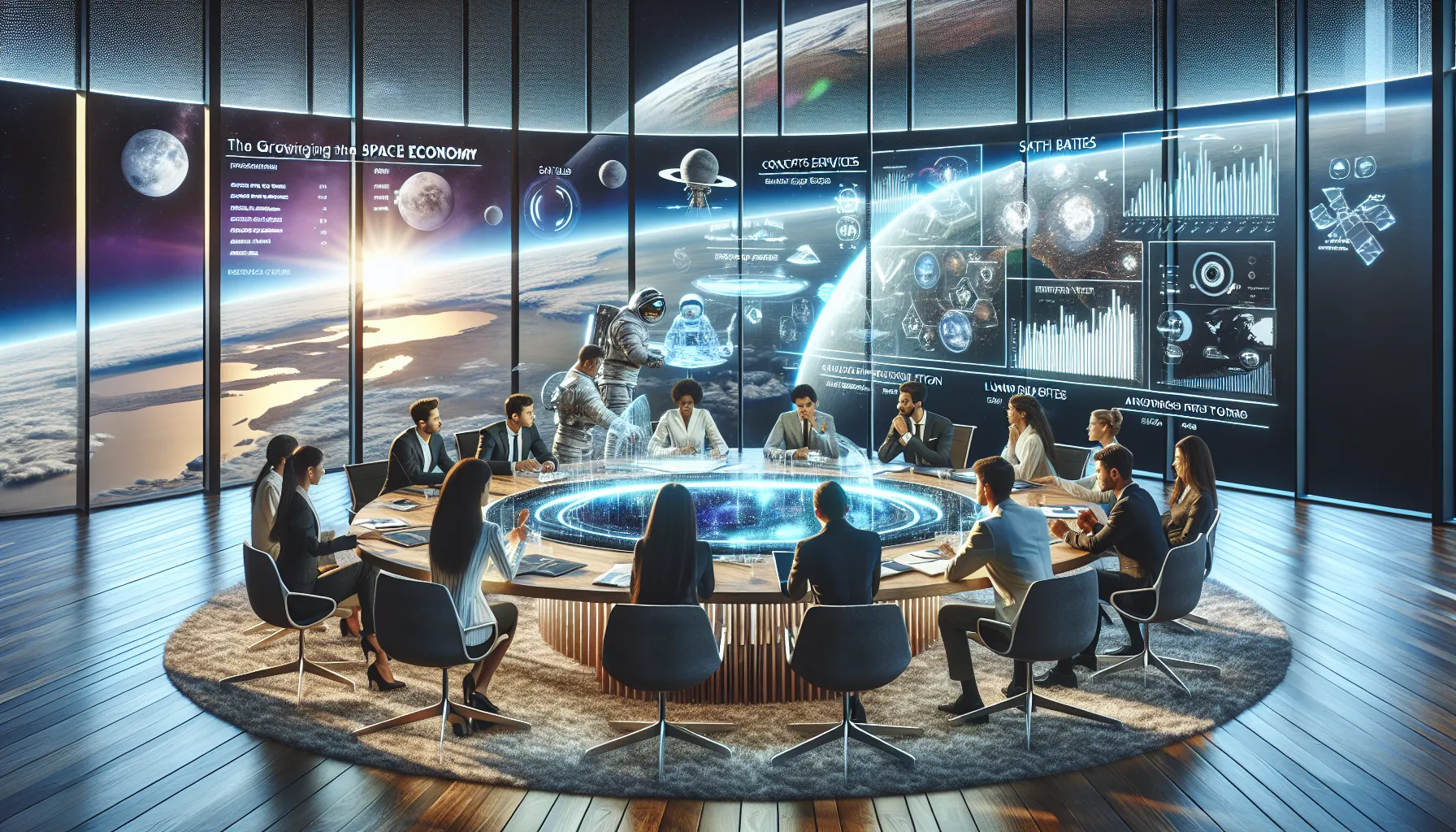
Let’s gaze into our crystal ball for a second. The future of the space economy looks incredibly promising. Experts predict that by 2040, the space economy could be worth over a trillion dollars. From satellite services to space tourism, there are countless opportunities.
As we continue to innovate, new markets are set to emerge. Consider the potential for lunar bases that could support not just research but also tourism, providing a unique experience for adventurous travelers. We all know that ‘space’ will soon mean something beyond just the vastness of the universe: it’ll be synonymous with businesses and profitability.
Challenges Facing the Space Industry
But hold on a second: it’s not all smooth sailing (or flying) out there. The space industry faces several challenges. For one, the high cost of launches continues to be a barrier for many. While reusable rockets are changing the game, research and development expenses remain steep.
Also, space debris is a growing concern. With more satellites being launched, we need to develop effective strategies to deal with the junk in orbit. Not to mention, geopolitical tensions could impact international collaborations. Our progress depends on cooperation as much as technology.


