
Have you ever wondered how your cat can become an internet sensation just from sitting in a cardboard box? Thank satellite technology. It’s not just about fluffy friends sharing their antics online: it’s about a whole universe of communication. From providing critical data during natural disasters to connecting remote areas, satellite technology is the unsung hero of our digital age. Let’s embark on an adventure to explore how satellites work, their various types, applications, challenges they face, and futuristic innovations on the horizon.
The Evolution of Satellite Technology

We can trace the roots of satellite technology back to the late 1950s. It all began with Sputnik, and if you don’t know what that is, it was the first artificial satellite launched by the Soviet Union. Since then, satellites have undergone a massive transformation. The initial focus was on military applications and basic communication. Over the decades, but, we’ve seen a boom in functionality and miniaturization. From large geostationary satellites orbiting 22,000 miles above the Earth to micro and nanosatellites that can fit in the palm of our hand, the advancements have been astounding. Today, satellite technology is integral to our daily lives, making communications faster and more efficient than ever before.
Types of Satellites and Their Functions
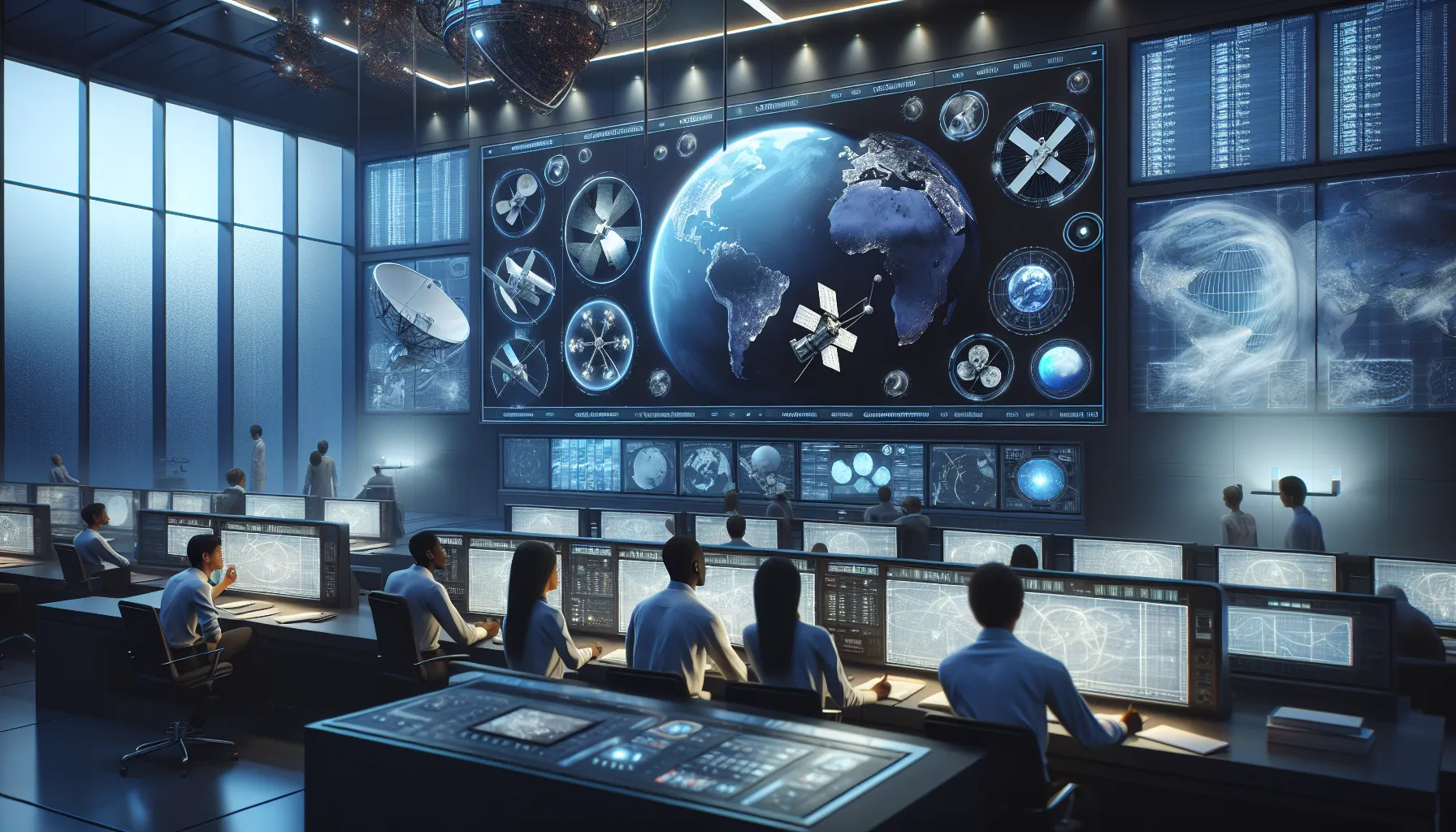
When we think about satellites, we often picture those chunky boxes floating high above us. But did you know they come in various shapes and sizes, each serving unique purposes?
- Communication Satellites: These are the big shots in the sky, ensuring we can stream movies, make calls, and connect to the internet. They allow us to bridge distances and send messages at lightning speed.
- Weather Satellites: Ever plan a picnic and check the weather forecast? You can thank these satellites. They monitor climate patterns and provide invaluable data for predicting storms and droughts.
- Navigation Satellites: These help us get from point A to B without wandering into a cornfield. GPS technology relies on this type of satellite for precise location tracking.
- Earth Observation Satellites: These satellites keep an eye on our planet. They help in monitoring land use, environmental changes, and even agricultural productivity.
- Scientific Satellites: Some satellites look at the stars (literally). They study cosmic phenomena and gather data about our universe.
With so many types and functions, satellites play a role in nearly every aspect of our lives.
Applications of Satellite Technology

Satellite technology is versatile and deeply integrated into various sectors. We might not think about it often, but it influences much of what we do.
- Telecommunications: This is the bread and butter of satellite technology. Without it, we wouldn’t have reliable international calls or high-speed internet in rural areas.
- Disaster Management: When disaster strikes, satellites provide vital information for rescue and recovery efforts. Their ability to capture real-time images helps responders assess situations and deploy resources efficiently.
- Transportation: Ever used a ride-sharing app? That’s satellite technology in action, guiding drivers and passengers through the best routes. It enhances logistics efficiency, ensuring timely deliveries worldwide.
- Environmental Monitoring: Satellites assist scientists in tracking climate change and natural disasters. By collecting data on temperature, air quality, and deforestation, we can better understand and combat environmental issues.
- Military and Defense: Security operations overwhelmingly rely on satellite technology for surveillance, reconnaissance, and communications.
With such diverse applications, satellite technology is indeed a game changer.
Challenges in Satellite Technology

Even though the vast advancements in satellite technology, we still face unique hurdles.
- Space Debris: As we launch more satellites, the risk of collisions with existing debris increases. This poses a danger not only to the functioning satellites but also to space exploration efforts.
- High Costs: Developing, launching, and maintaining satellites don’t come cheap. From The initial investment to ongoing operational costs, it can be a financial burden that limits accessibility.
- Signal Interference: Weather conditions and physical obstacles can interfere with signal quality, affecting communication abilities. It’s a bit like trying to have a conversation during a thunderstorm.
- Technological Limitations: While advancements have been remarkable, many satellites still rely on older technologies or may have limited lifespans, requiring continuous innovation and upgrades to keep up with demands.
Addressing these challenges will be crucial for satellite technology’s continued evolution and effectiveness.
The Future of Satellite Technology

Looking ahead, the future of satellite technology seems bright and promising. We are witnessing an increase in satellite constellations, like Starlink, aimed at providing global internet coverage. Innovations in miniaturization will allow us to deploy swarms of small satellites, amplifying coverage and efficiency.
Also, integrating artificial intelligence and machine learning could enable satellites to conduct real-time data analysis, processing vast amounts of information faster than ever before.
The development of space tourism could also bring new opportunities for satellite technology, enhancing communication for travelers beyond our atmosphere. It’s an exciting time where the only limit seems to be our imagination.


